


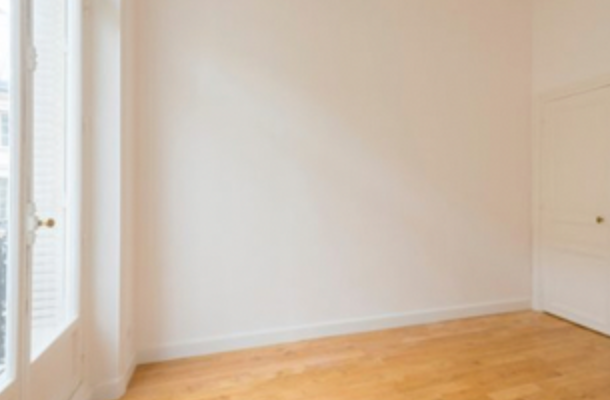
Maling af 1v. lejlighed
- Lejlighed op til 30m2
- Pletspartling af huller
- 2 x maling af vægge og loft
- 2 x maling af værk
- Bortskaffelse af affald

Ønsker du professionelt malerarbejde til en god pris, er MalerKanonen et godt valg. Kontakt os i dag og få et skræddersyet tilbud.
 100% tilfredshedsgaranti
 3 års garanti på alt udført arbejde
 Betaling når arbejdet er godkendt
Alle maleropgaver er forskellige. Her er dog nogle eksempler på priser fra tidligere udførte maleropgaver. Vil du gerne have en pris, der er skræddersyet til din maleropgave, er du meget velkommen til at kontakte os og få et gratis tilbud.
Hos MalerKanonen tilbyder vi mange forskellige ydelser inden for professionelt malerarbejde:
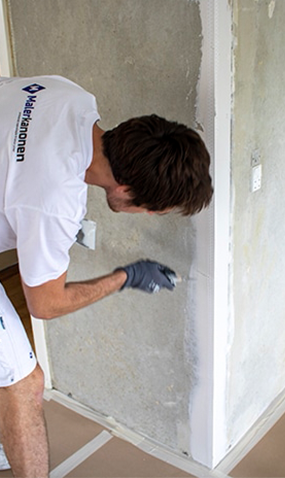
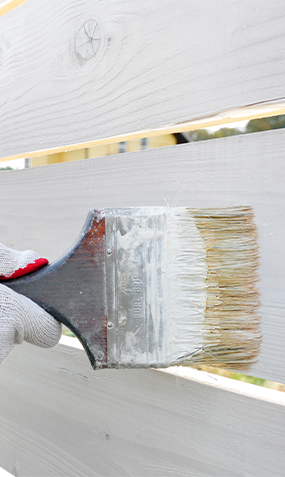
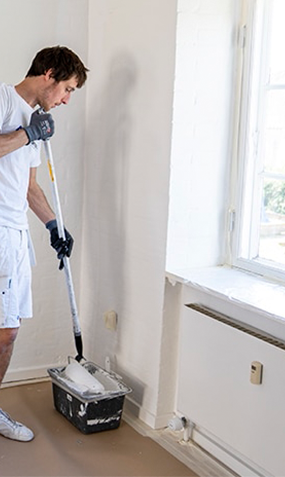
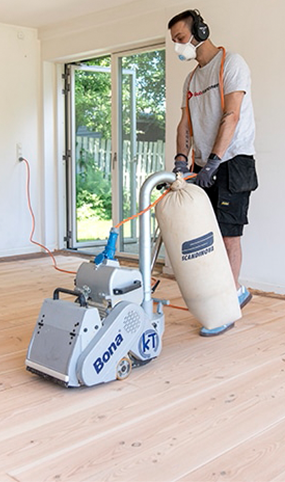
Feedback betyder rigtig meget for os. Derfor beder vi vores kunder om at skrive en anmeldelse af deres oplevelse med os, og det arbejde vi har udført for dem. Så kan nye kunder nemt se, hvad de kan se frem til.

Fantastisk oplevelse med MalerKanonen som overholdte alle aftaler, og gjorde min gamle lejlighed pæn igen. Servicen var helt i top, og lejligheden var pæn og rengjort da jeg fik nøglerne igen. Kan varmt anbefale MalerKanonen.

Veludført arbejde og nemme at komme i kontakt med. MalerKanonen kom til aftalt tid, og arbejdet blevet udført til perfektion. Servicen har været i top og rådgivningen ved første møde var også rigtig god.
Efter en god indledende samtale faldt valget på MalerKanonen, og jeg har ikke fortrudt. Oplevelsen har været perfekt hele vejen igennem og arbejdet blev udført til perfektion. Jeg er så glad for det malerarbejde MalerKanonen har udført.
Den pris du skal betale for at få malet afhænger bl.a. af, hvad du skal have malet, hvor mange gange der skal males, og om der skal laves forberedende arbejde som spartling. For at du få kan få den bedste pris, bør du kontakte os, så vi kan høre mere om dine behov og ønsker til din maleropgave.
Du får en fast pris fra os. Det vil derfor sige, at der ikke kommer yderligere omkostninger, gebyrer eller lignende. Vi ønsker, at du som kunde hos os, føler dig tryg og sikker fra start til slut. Og derfor skal der heller ikke være nogen risiko for ekstrabetaling.
Ja. Hos MalerKanonen får du en pris, som er 100 % fast og uden skjulte udgifter. Det får du, da vi ønsker at gøre det nemt at vide, hvad malerarbejdet omfatter og koster. For at kunne give dig en så god og præcis pris som muligt, er det bedst, hvis vi kan besøge dig og se nærmere på din opgave og dine ønsker.
Har du tænkt over, hvorfor du bør overlade din maleropgave til et malerfirma? Svaret er faktisk ret enkelt. Det giver dig tryghed og sikkerhed for, at alt er 100 % i orden. Og det er der flere grunde til:
MalerKanonen er et populært firma, når det kommer til malerarbejde til private. Vi har mange års erfaring i branchen, hvilket kommer dig til glæde. Det gælder, uanset hvad og hvor meget du skal have malet. Derfor er det også en god idé at kontakte et malerfirma som os, når du skal bruge en dygtig og pålidelig maler i Farum. Det har mange andre private kunder gjort med stor glæde og tilfredshed til følge.
Står du over for et gør-det-selv-malerprojekt i Farum, kan det være en god beslutning i stedet at kontakte et malerfirma og overlade opgaven til dem. Det vil give dig sikkerhed for et professionelt resultat, hvor alt er 100 % i orden. Og her er MalerKanonen det oplagte valg.
Vælger du MalerKanonen som dit malerfirma i Farum, kan du se frem til et godt samarbejde, hvor dine ønsker og behov er i centrum. Med hundredvis af udførte maleropgaver bag os sørger vi for flot og veludført malerarbejde, der matcher dine forventninger. Og der er også andre gode grunde til at vælge os:
Nogle malerfirmaer tilbyder kun at male i én og samme by, som de holder til i. Sådan er det ikke hos MalerKanonen. Vi tilbyder malerarbejde til private kunder i store dele af landet, hvis der er interesse for det. Og det er der.
Vi har dygtige malere ansat, der er fleksible og pålidelige. Derfor kan du også få udført malerarbejde i Farum af os, hvis du ønsker et professionelt resultat. Men vi udfører også maleropgaver i mange andre danske byer. For geografien begrænser os ikke, når der skal males professionelt og flot.
Som dit malerfirma i Farum vil der være meget at glæde sig til. Med mange års erfaring, kompetente malere samt gode priser på alle malerydelser er fundamentet for en positiv oplevelse til stede.
I MalerKanonen har vi mange års erfaring med at male og skabe fornyelse hos private kunder. Derfor er vi også et rigtig godt valg, hvis du skal bruge en skarp og pålidelig maler i Farum. Opgaverne vi kan varetage spænder vidt og bredt, men vi udfører alt malerarbejde, som der er behov for. Det er dog primært opgaver i stil med disse, vi hjælper til med:
Dit valg af malerfirma har stor betydning for, hvordan slutresultatet ender med at blive. Eller om processen går godt og er uden uventede problemer. Men at du får besøg af en maler, som også kan udføre den konkrete opgave, er selvfølgelig også vigtigt. Og det vil du opleve i valget af MalerKanonen som dit malerfirma i Farum. Vi er nemlig specialister i mange grene inden for malerarbejde til private, hvilket kommer dig til gode.
Grundigt, flot og veludført malerarbejde er helt sikkert et krav, når du betaler for en maler i Farum. Det er også det mindste, man kan regne med, når der investeres i et malerprojekt i hjemmet. Men at opgaven er løst hurtigt vil også være et stort plus – selvfølgelig uden at det går udover kvaliteten af det udførte arbejde.
I MalerKanonen har vi mange talentfulde og dygtige malere. Med deres erfaring og brug af professionelt malerudstyr får du malet hurtigt, men også flot og i høj kvalitet. Og den kombination har vores mange hundrede kunder været utrolig glade for.
Vi er nemlig effektive, når det kommer til at male. Og derfor spildes tiden heller ikke, hvilket selvfølgelig er et stort plus for dig. Grundighed og faglighed betyder meget for os. Men at vores kunder får udført malerarbejde hurtigt og til tiden er også noget, vi sigter efter.
Hvis du ønsker det flottest mulige malerarbejde i forbindelse med din opgave, er valget af et malerfirma et rigtig godt sted at starte. For det er lig med erfarne fagfolk, professionelt malergrej og gode materialer.
Overlader du din maleropgave i Farum til specialisterne hos MalerKanonen, kan du se frem til et flot resultat, hvor kvaliteten er i top og glæden ligeså. Uanset hvilken type maleropgave du skal bruge hjælp til, så har vi malerne, der kan løse dem til perfektion. Sådan som det børe være, når man betaler for malerarbejde.
At MalerKanonen er godt valg, hvis du skal bruge en maler i Farum, ses også ved vores professionelle og seriøse tilgang. Alt er planlagt og tilrettelagt, så arbejdsprocessen kører problemfrit og resultatet bliver flot og veludført.
Er prisen den vigtigste faktor for dig, når du skal finde en maler, som kan hjælpe dig med dit projekt? Det er det for rigtig mange private kunder, da der er grænser for, hvad man kan og ønsker at betale for at få malet.
Som i alle andre byer afhænger prisen på en maler i Farum også af flere ting. F.eks. hvad og hvor meget der skal males, om der skal males mere end én gang samt standen af underlaget, der skal males på. Men pris og kvalitet hænger også sammen, hvilket gør, at du bør fokusere på mere end bare kroner og øre.
Når du vælger MalerKanonen til en opgave, får du altid en god pris på en maler, hvilket indebærer, at prisen er skræddersyet til din opgave og dine ønsker. Derudover har vi faste priser uden skjulte gebyrer eller ekstraregninger. Og så kan du også få rådgivning med i pakken. Alt i alt får du masser af værdi for pengene hos vores malerfirma.
Skal du have udført malerarbejde i dit hjem i Farum, er det første skridt på vejen at få et tilbud fra et eller flere malerfirmaer. Med det kan du bedre få overblik over, hvad din opgave kan koste dig. Men prisen er ikke alt, så du bør også se på, hvad du ellers får af dit malerfirma.
MalerKanonen er et dansk malerfirma med speciale i at male hos private. Vi har mange års erfaring på området og har bl.a. hjulpet til med maling af lejligheder og huse i Farum. Og resultaterne har været positive.
Når vi skal give tilbud på en maler i Farum, er det ikke kun malerarbejdet, man modtager fra os. Kompetent rådgivning er også muligt, hvis man er det mindste i tvivl om, hvad og hvor meget der skal laves. Ønsker du et skræddersyet tilbud til din opgave, bliver det altså ikke kun malerarbejde, som udføres, men du kan også få professionel rådgivning med i pakken.
Når MalerKanonen hyres til en maleropgave i Farum eller andre danske byer, er det gode malere med mangeårig erfaring, som kommer til at varetage opgaven. Vi har dygtige folk med forskellige kompetenceområder – men alle er specialister i malerarbejde.
En stor del af vores maleropgaver håndteres af en enkelt, dygtig maler. Andre kræver flere folk, så kunderne kan få udført det flotte malerarbejde hurtigst muligt. Så om der skal bruges én eller flere malere til din opgave afhænger i høj grad af, hvad der skal males.
Med MalerKanonen som dit malerfirma i Farum får du et rigtig flot resultat, uanset om vi skal male vægge, lofter, døre, vinduer eller andet. Derfor kan du også trygt vælge os, hvis du skal bruge en maler til en opgave i Farum. Vores erfaring og ekspertise kommer helt sikkert til at gøre dig glad og tilfreds.
Med mange år i faget har vores malere en masse viden og indsigt, som de kan bruge i deres arbejde. Men vores kunder kan også få glæde af det, hvis de ønsker rådgivning eller inspiration i forbindelse med deres maleropgaver.
Ønsker du friske øjne på dit malerprojekt – og mulighederne i det? Eller vil du have vores forslag og anbefalinger, så du får det bedste resultat? Vi kan hjælpe med mange ting udover selve malerarbejdet. Det er én af grundene til, at vi kontaktes igen og igen af mange kunder.
Med MalerKanonen får du besøg af en professionel maler i Farum, der er kompetent og i stand til at imødekomme dine ønsker og behov. Kontakt os derfor endelig, hvis du ønsker en professionel partner til din opgave i Farum.
Der er mange fordele ved at vælge MalerKanonen, når du skal bruge et malerfirma i Farum. Én af dem er, at vi sørger for at skabe en enkel og overskuelig proces, så du ikke skal bekymre dig eller frygte uventede overraskelser. Derfor vil et samarbejde med os se således ud:
Med MalerKanonen er det nemt at få malet. Og resultaterne taler også for sig selv, da kvaliteten er i top. Sådan er det, når man overlader opgaven til dygtige malere med professionelt malergrej og de bedste materialer.
Vi kan hjælpe dig fra start til slut i dit malerprojekt. Og ønsker du en god pris, kan det også lade sig gøre, da vi skræddersyer dit tilbud efter din opgave og dine ønsker. Det ved vi, at mange andre kunder har været utrolig glade for.
Et malerfirma, der kan skabe glade og tilfredse kunder, bør være et godt valg til en maleropgave. Har du det syn, vil MalerKanonen ikke skuffe dig, når du skal bruge et malerfirma i Farum. Samme oplevelse har mange andre kunder før dig haft.
Vores malere udfører mange forskellige opgaver hver eneste dag. Det betyder også, at vi har erfaring med et bredt udvalg af malerydelser og -opgaver. Mange af vores kunder vælger os desuden igen og igen. Og det er der flere grunde til:
I dit valg af et malerfirma kan du f.eks. læse anmeldelser på forskellige hjemmesider og platforme. Her vil du også kunne se, at MalerKanonen er et populært valg, når kunder skal finde et malerfirma. Så ønsker du et sikkert valg til din opgave i Farum, er vi kun et opkald væk.
Der findes mange forskellige typer af huse, hvilket sætter krav til malerfirmaer, når de skal levere godt malerarbejde. Det ved vi også af erfaring hos MalerKanonen, men med mange dygtige folk ansat, er vi også i stand til at skabe de ønskede resultater. For os gør det ingen forskel, om vi skal male parcelhuse, murermestervillaer eller helt tredje typer af huse.
Når vi kontaktes, fordi kunder har brug for et malerfirma i Farum eller andre danske byer, er det vidt forskellige opgaver, som vi skal løse. Men ofte skal vi male huse indvendigt eller udvendigt. Og det er vi utrolig dygtige til.
Har du brug for en pålidelig og kompetent maler, er vi et godt valg. Vi kan med garanti sikre dig det ønskede resultat, uanset hvilken hustype du bor i. Det lover vi, og vores mange hundrede glade kunder er et godt tegn på dette.
Maling af lejligheder er en opgavetype, hvor ønsker og krav kan være meget forskellige. I en flyttelejlighed skal visse krav til malede overflader overholdes, for at en lejer kan flytte uden ekstra omkostninger, mens resultatet i en ejerlejlighed i stedet kan have fokus på fornyelse og et nyt look.
MalerKanonen er specialister i malerarbejde. Blandt andet af lejligheder. Vi har mange års erfaring med at male lejligheder hos private kunder i mange danske byer inklusive Farum. Derfor er vi også et sikkert og godt valg, hvis din lejlighed i Farum skal males og se ud som ny.
Vi kan hjælpe dig med små og store maleropgaver i dit hjem. For vi har prøvet alle typer af maleropgaver; fra små 1-værelses lejligheder til store lejligheder med mange rum. Derfor kan du trygt vælge os som din maler i Farum, hvis du ønsker et godt og grundigt resultat. Kontakt os for en uforpligtende snak om din opgave og få et godt tilbud på malerarbejde i din lejlighed.